AI for Future-Proof Palliative Care: A Relational Approach
5-7 July 2026 (exact date to be updated) I Porto, Portugal I Hybrid workshop I Submission Deadline: 20 March 2026 10 April 2026 (Deadline Extended)
How can we shape a more holistic and sustainable future of palliative care?
Through speculative and participatory design, participants will envision relational and responsible AI-supported care across individual, community, and professional layers, throughout the palliative care pathway.
About
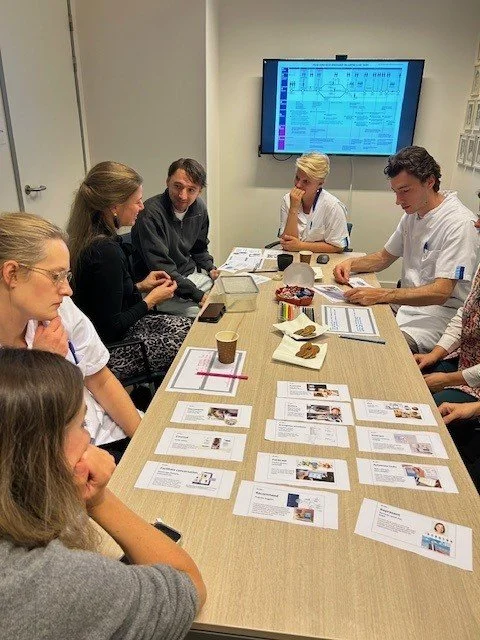
This three-hour workshop invites the IH community to explore how AI could support and shape ecologies of future palliative care for patients, carers, and professionals. To envision more holistic and sustainable AI-supported palliative care, we frame transitions through three layers of care (individual, community, and professional services) and adopt a relational approach inspired by More-than-Human design practices. This approach foregrounds how AI is entangled with diverse users across these layers. Using speculative and participatory design methods, participants will envision AI-supported care futures and identify emerging research directions at the intersection of palliative care, HCI, and AI. Building on prior ACM workshops combining perspectives on AI, clinical practice, and care in sensitive life transitions, this workshop offers a space to reflect on key challenges and opportunities, and to co-develop design principles as a shared roadmap toward relational, responsible, and sustainable futures of AI in palliative care.
Call for Participants
Although AI offers potential for more person-centered and sustainable palliative care, current innovations often overlook user needs, care contexts, and ethical concerns. To address this systemic challenge, we invite HCI researchers, practitioners, care providers, and persons with lived experiences, to explore how AI could shape a future-proof palliative care taking a relational perspective. Through structured speculative sessions, participants will reflect on needs and challenges from lived experiences, ideate AI concepts, discuss their benefits and risks, and draw ethical design principles and a roadmap for the future of palliative care with AI that is relational, sustainable, and attentive to lived experience.
To participate the workshop, please submit an extended abstract (max. 1000 words) using ACM single-column format including your motivation to attend the workshop (including your interest, how you plan to contribute, and your expectations for the workshop), and a project, idea, or (AI) concept related to palliative care you have worked on or interested in. We encourage submissions that include visuals (e.g., photos, sketches, and colleges). Please send the PDF version of your abstract to c.kim@erasmusmc.nl by 20 March 10 April 2026 (AoE).
We particularly welcome contributions that engage with one or more of the following relational layers of palliative care, as well as work that moves across or beyond them:
Individual Care – Exploring how AI can support persons in palliative care by addressing their unique practical, emotional, and psychological needs across different stages of palliative care. Topics include, but are not limited to, how AI can help create a better care environment for palliative patients and form supportive relationships between patients and care providers; how to reinforce patient autonomy in settings where AI plays an active role in proactive care planning, such as assisting with goal setting or clarifying personal values in a limited lifespan; and how to navigate ethical concerns in palliative care at the personal level, including dignity, consent, emotional safety, and more.
Community Care – Examining how AI can facilitate community support, such as helping patients connect with like‑minded peers, empowering informal carers, assisting patients with limited social connections, helping align conflicting values among patients, families, and care teams, and providing support in addressing ethical considerations within caregiving relationships.
Professional Care – Investigating how AI can improve the accessibility, affordability, and quality of professional care while also accounting for potential tensions, such as shifts in roles between humans and AI, for example, when AI mediates sensitive conversations in ways that may affect trust and autonomy between patients and clinicians, along with the broader need for ethical governance and regulation.
We will select submissions based on their relevance, quality, and diversity. At least one author of each accepted submitted work must attend the workshop. Questions about this workshop should be sent to c.kim@erasmusmc.nl.
Tentative Workshop Schedule
The schedule may change as we coordinate with the workshop chairs and the conference venue.
9:00-9:15
Welcome and round of introduction.
9:15-9:45
Dive into lived palliative care experiences. We are organizing mini lectures on AI, palliative care and relational perspectives (speakers to be confirmed), as well as lived palliative experiences.
10:00-10:30
Introducing workshop activities and designing palliative care experiences. Based on their contribution participants will divide into groups and envision future scenarios. We invite groups to design three palliative care concepts, that use AI, and share their outputs on a Figma board prepared by the organisers.
10:30-11:00
Coffee break
11:00-11:45
Evaluating palliative care experiences through role-play. Using the live theatre method, participants will enact their palliative care scenario, simulating the use of the design concept, improvising stakeholder actions, and evaluating how well their ideas meet scenario needs. Each group will then reflect on the scenario and share their results on Figma.
11:45-12:15
Group sharing & roundtable discussion. Each group will present their vision, design concept, and key insights. A roundtable reflection will follow, supported by the Figma overview, during which participants will distill design principles and outline a roadmap for AI‑supported future-proof palliative care future.
12:15-12:30
Post-Workshop Collaboration Opportunities. Participants will be invited to co‑author an ACM paper based on the workshop outcomes and to continue collaborating on the ideas developed during the session.





Organizers
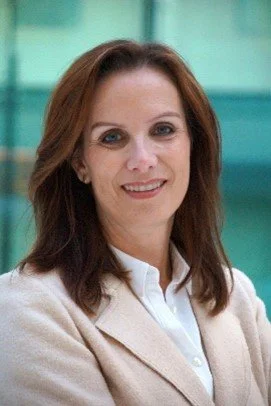
Lead Organizer I Marinella Offerman is psychologist Associate Professor and Sector Head of Value Based, psychosocial and palliative Head & Neck Cancer care at Erasmus University Medical Center Cancer Institute at the department of Otorhinolaryngology and Head and Neck Surgery. Her Value Based Health Care (VBHC) Head & Neck cancer research team supports an evidence-based transition from traditional hospital-based to sustainable, data-driven remote care. Her research work, characterized by co-creation with patients and healthcare professionals, creates a continuous feedback loop that drives innovation and improves healthcare standards.

Lead Organizer I Chanmi Kim is a healthcare designer and postdoctoral scientific researcher at Erasmus University Medical Center Cancer Institute at the department of Otorhinolaryngology and Head and Neck Surgery, working in the VBHC research team. Her research focuses on designing technologies to enhance patients’ well-being through a participatory and value-sensitive approach. She is currently exploring how AI can be used to create and deliver compassionate palliative care in Head & Neck Cancer.

Co-organizer I Boyd van den Besselaar is a resident at Erasmus University Medical Center Cancer Institute at the department of Otorhinolaryngology and Head and Neck Surgery and PhD candidate in the VBHC research team. His research aims to improve patient outcomes and quality of life for head and neck cancer patients in the palliative phase through patient-centered care. He focuses on individualized prognostic modelling and personalized counseling, working in co-creation with patients and professionals to drive successful healthcare innovations.

Co-organizer I Benedetta Lusi is a postdoctoral, interaction design researcher at Queen Mary University of London. She is currently researching the risks of medicalization in pregnancy through participatory design. She previously focused on compassionate approaches to design technology for abortion care, mental health, and well-being. She is interested in designing care technology to attend experiences that resist articulation, and contradictory feelings (e.g., grief and joy).
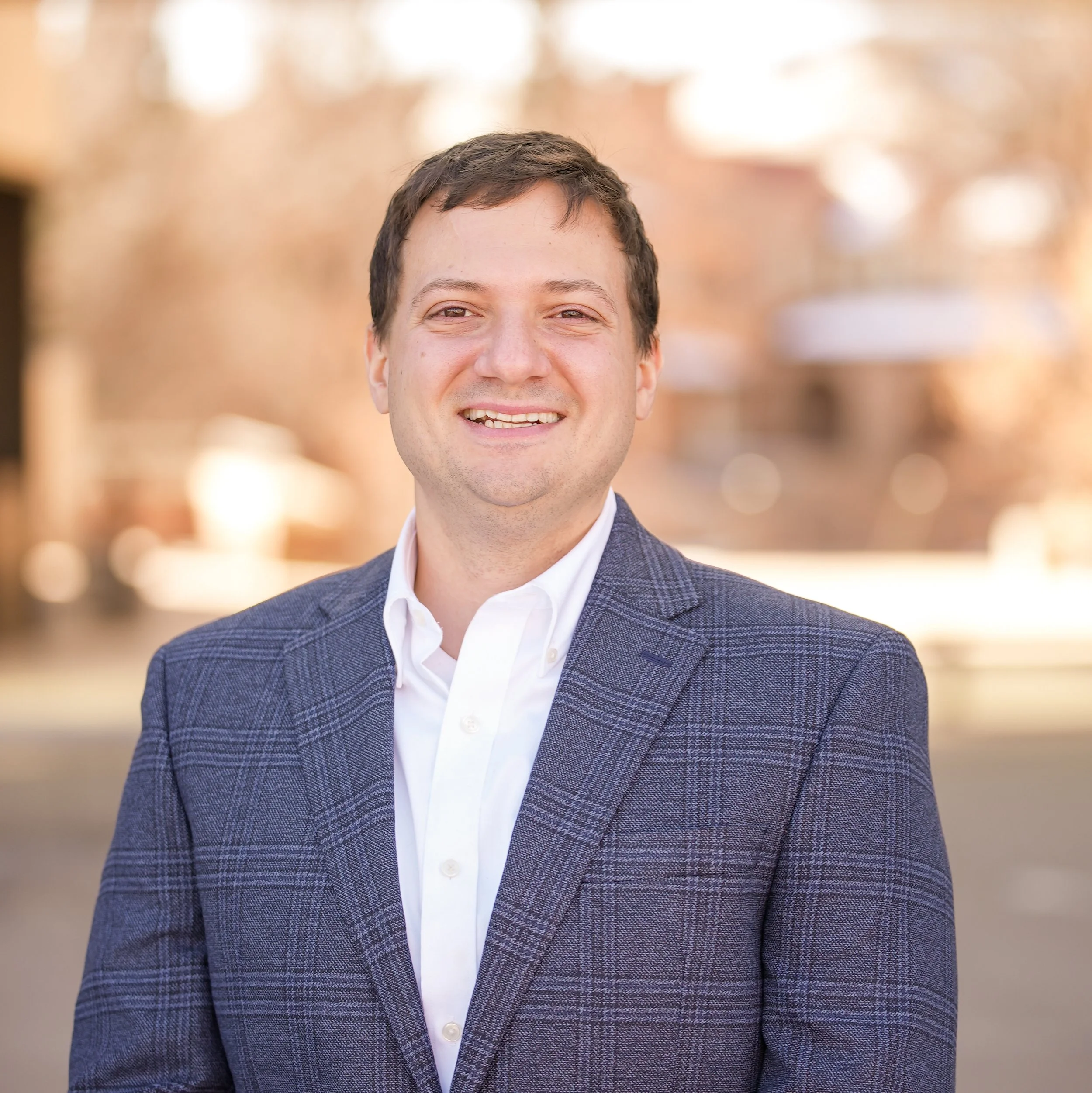
Co-organizer I Dylan Thomas Doyle is a T-32 research fellow at the Center for Behavioral Intervention Technologies at Northwestern University, and a research scientist at the University of Colorado Boulder. His research focuses on developing AI information systems and healthcare technologies that improve patient wellbeing – especially in palliative care contexts. Dylan is a board-certified hospital chaplain and ordained Unitarian Universalist minister.
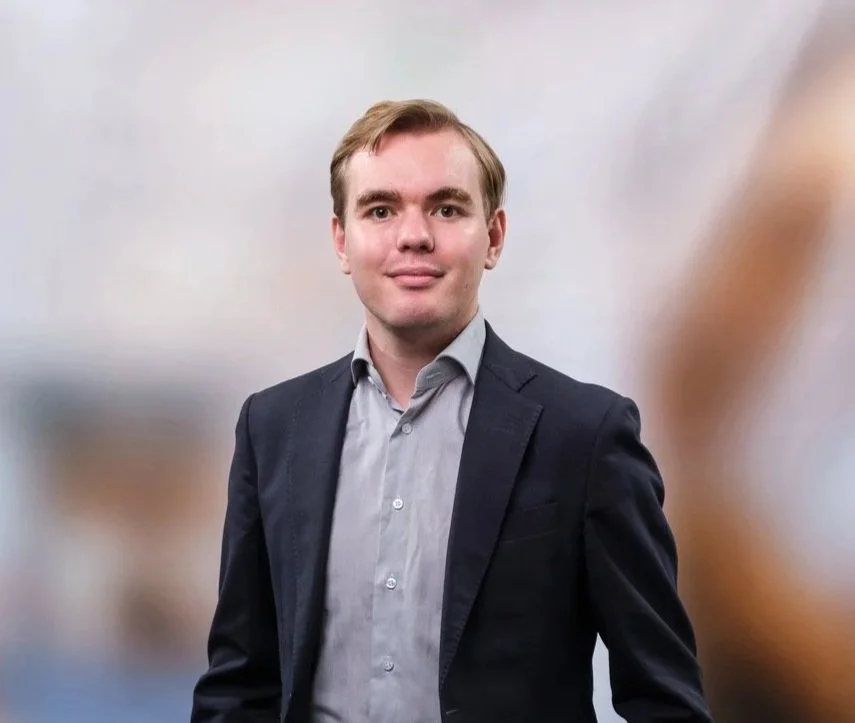
Co-organizer I Stefan Buijsman is an Associate professor in philosophy of digital technology at Delft University of Technology, faculty of Technology, Policy and Management and co-director of the TU Delft Digital Ethics Centre and WHO Collaborating Centre on AI for Health Governance, including ethics. His research focuses on the operationalization of ethical principles in AI design and implementation, so that design requirements and evaluation frameworks systematically include ethical considerations.
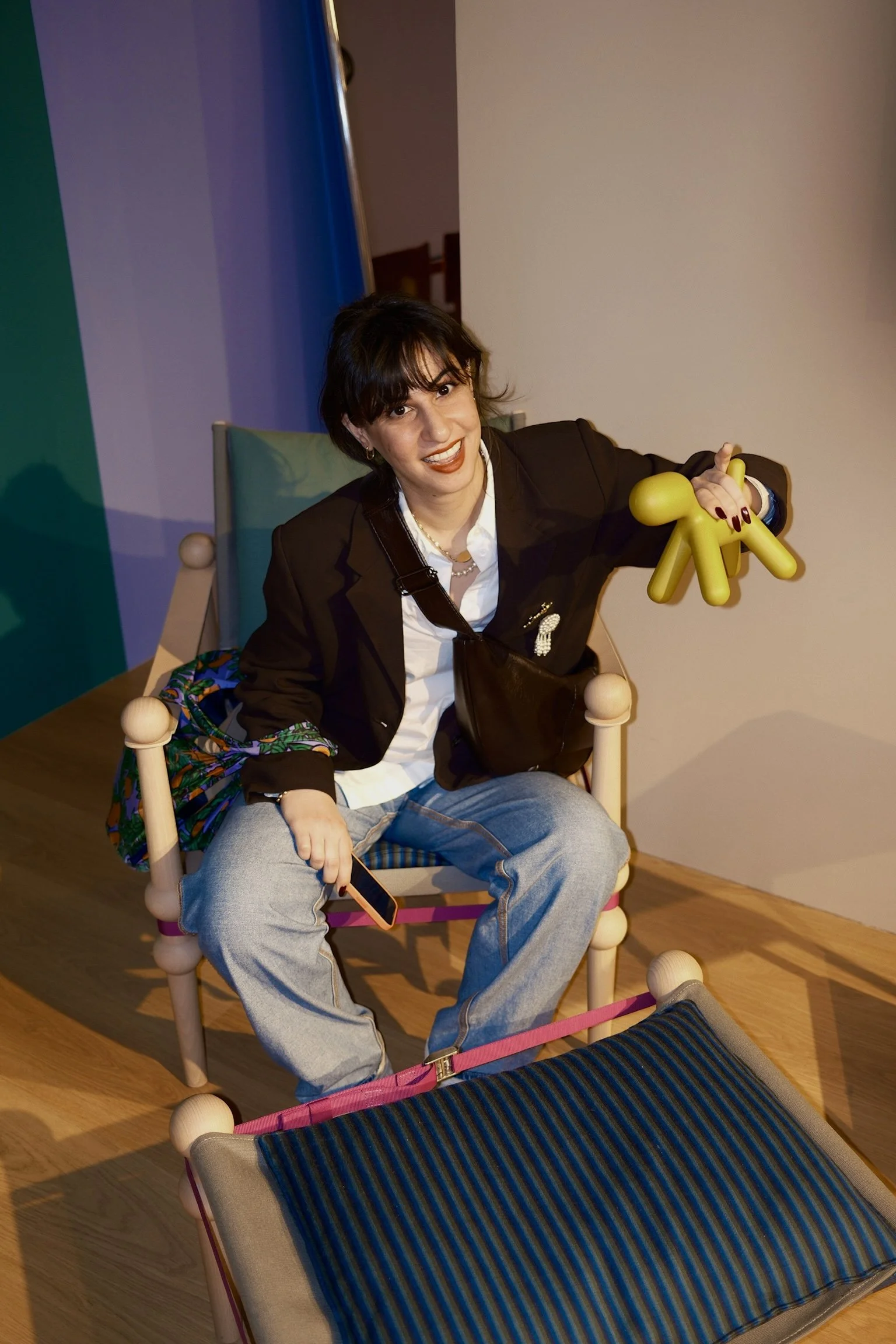
Co-organizer I Tina Ekhtiar recently completed her PhD in interaction design at the University of Twente. Her research focuses on designing personal informatics to support setting and changing health goals. She employs participatory, co-design, and speculative methodologies to better understand and shape people’s experiences with health technologies.
Co-organizer I Marco Rozendaal is an Associate Professor of Interaction Design at TU Delft’s Faculty of Industrial Design Engineering in the Netherlands, where he directs the Expressive Intelligence Lab. His research straddles multiple disciplines and combines practical, critical, and methodological perspectives in his practice with a background in interactive media, design, and engineering. Marco’s current work explores the design of new interaction styles and paradigms engendered by artificial intelligence.
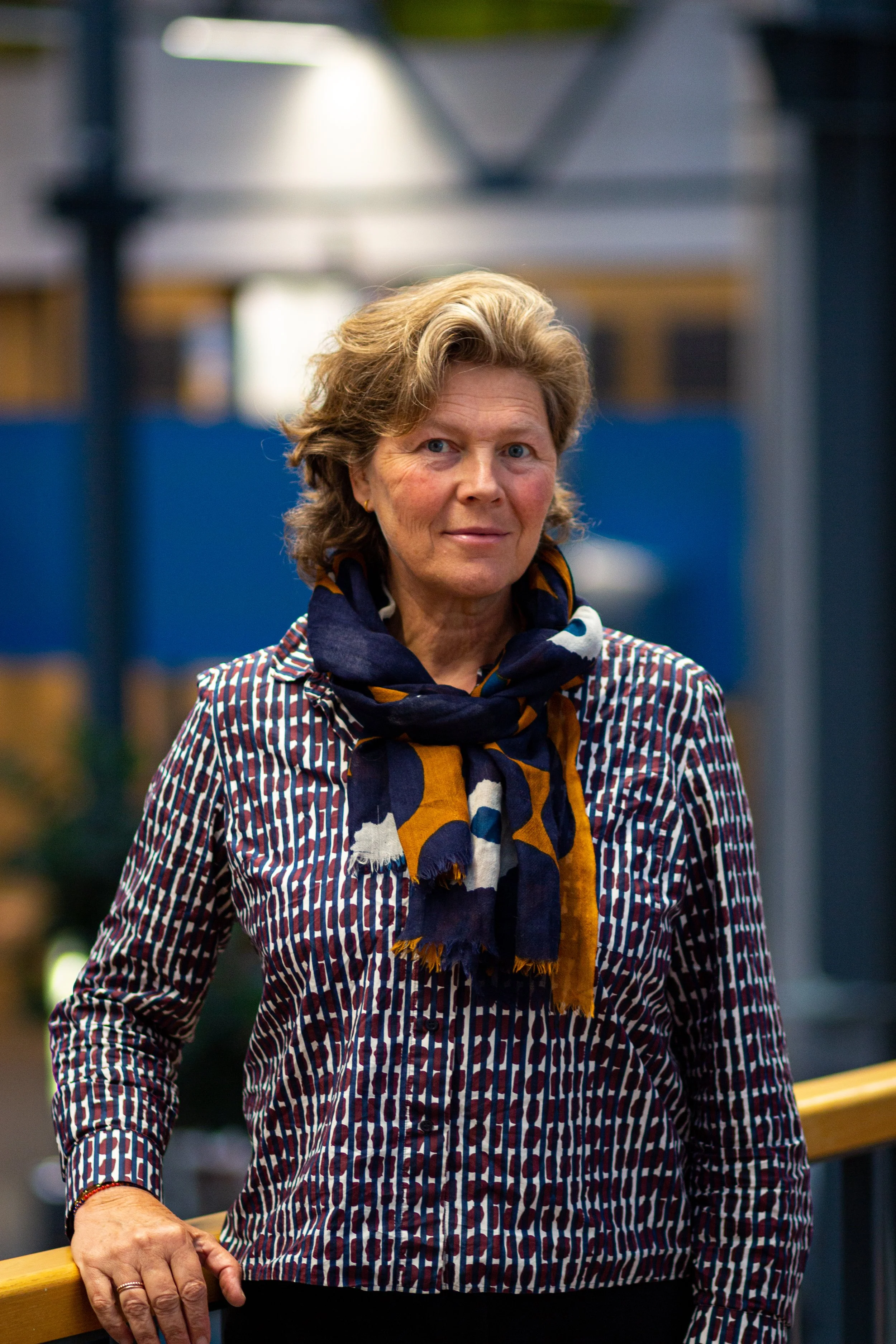
Co-organizer I Marieke Sonneveld is an Assistant professor In Human Centered Design at Delft University of Technology, faculty of Industrial Design Engineering, with a focus on design for the End of Life. She founded the Delft Design for End of Life Lab at the Faculty of Industrial Design Engineering. Next to her professional work, for the past 13 years she was an informal caregiver (volunteer) at Hospice De Vier Vogels in Rotterdam.